
Loading...
Serving Edinburg, TX and surrounding areas. (956) 603-1615
Edinburg Sunrooms& Patios
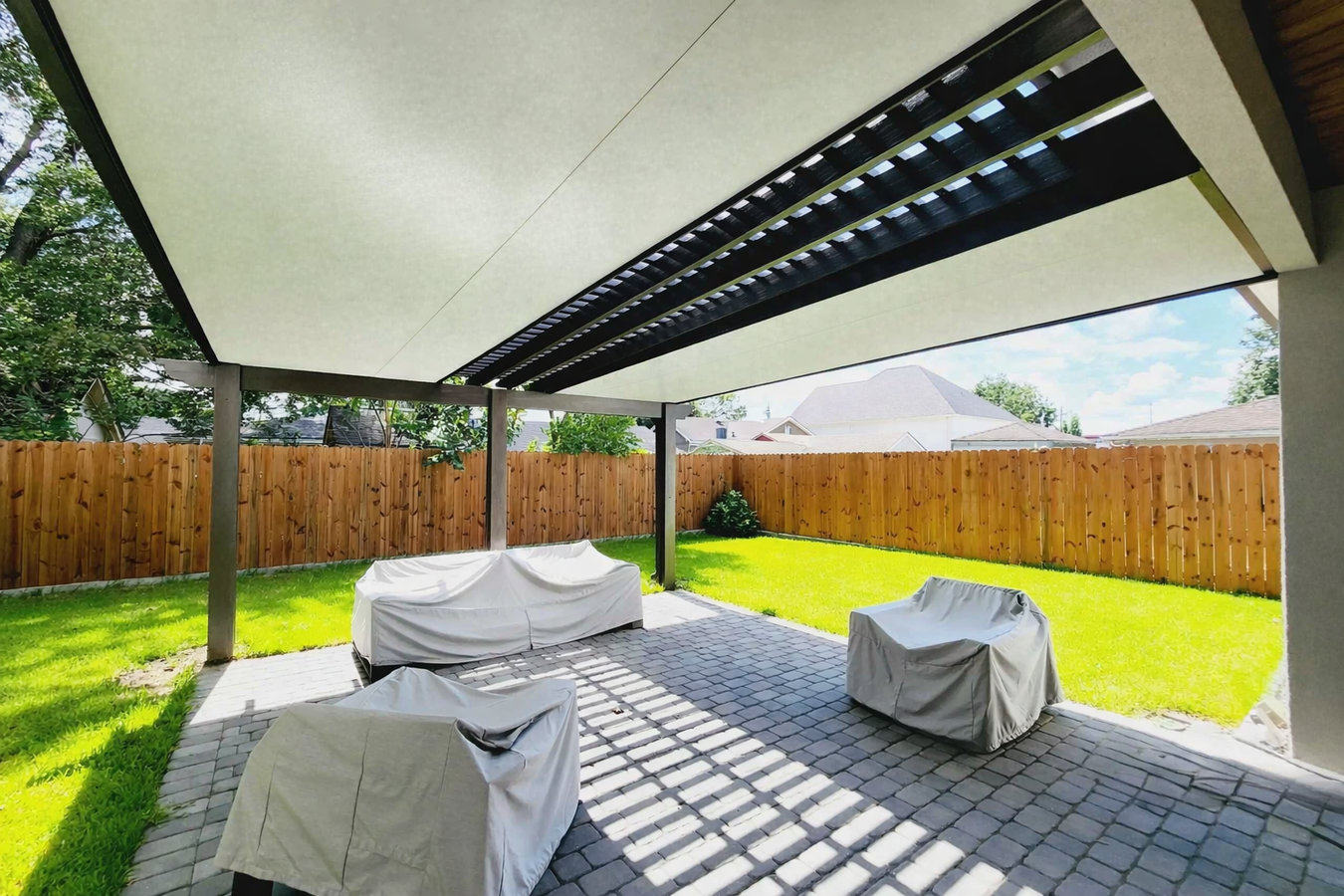
A properly built patio cover can make your backyard usable again - even in July. We install attached and freestanding covers with materials rated for the Rio Grande Valley sun, and we handle every permit so you never have to deal with the city yourself.
Patio cover installation in Edinburg means building a permanent or semi-permanent shade structure attached to your home, using materials and anchoring methods designed for South Texas heat, UV exposure, and Gulf Coast wind conditions, with most physical installations completed in two to five days once permits are in hand.
The work itself is straightforward: a ledger board is attached to your home's exterior wall, posts are set and anchored, the frame is built, and the roofing material is installed. What separates a good installation from a poor one is mostly invisible on day one - how the cover is anchored to the house, what the roofing material will do after two summers in the Rio Grande Valley sun, and whether the drainage sends water away from your home rather than toward the foundation. Homeowners who want to take the next step and fully enclose their covered space can explore our patio enclosures page for a comparison of what a full enclosure involves.
The permit question comes up on almost every project. The City of Edinburg requires a building permit for patio covers, which means a city inspector will check the work before the project is officially complete. This is genuinely good for you - it confirms the structure was built safely, and it keeps your addition documented properly for insurance and resale purposes. A contractor who suggests skipping the permit to save time is not one you want building something attached to your home.
If you step outside in the afternoon and immediately retreat inside because the heat is unbearable, your outdoor space is not working for you. In Edinburg, summers are long and intense - but a properly shaded patio can make outdoor time genuinely enjoyable again. If your yard sits unused for six months a year, a patio cover is likely the single change that would get you back outside.
If you have a concrete slab behind your home but nothing covering it, you are losing the value of that space every time it rains or the sun beats down. An uncovered slab also heats up dramatically in the Edinburg sun, making the area near your back door uncomfortable even when you are standing inside. A cover transforms that surface into a true outdoor room.
If you are replacing cushions, repainting furniture, or watching outdoor pieces fall apart sooner than expected, intense UV exposure is almost certainly the cause. Edinburg's sun degrades even UV-resistant materials faster than manufacturer estimates - which are based on more moderate climates. A solid patio cover dramatically extends the life of everything underneath it.
Ceiling fans and outdoor lights need a structure to attach to. If you have been wanting to make your backyard more comfortable but keep running into this problem, a patio cover gives you the framework to do everything else you have been planning. For many homeowners, the cover itself is just the starting point for a much more usable outdoor space.
The right cover for your home depends on how you plan to use the space, how much heat protection you need, and what your budget allows. For most Edinburg homeowners who want to use their patio in summer, an attached insulated panel cover is worth the extra cost over basic aluminum - the difference in comfort on a 100-degree afternoon is real and noticeable. Homeowners who want to go further and turn the covered space into a fully enclosed room can look at our sunroom design service for a picture of what that process involves from a planning perspective.
We also pair patio cover projects with patio enclosures when homeowners want shade and weather protection now, with the option to enclose the space more fully in a future phase. Building the cover to the right dimensions and with compatible framing from the start makes that future upgrade much simpler and less expensive than starting over. Whichever configuration you choose, electrical for fans and lighting is available as part of the same project so everything is permitted and inspected together.
The most popular choice for Edinburg homeowners - a solid insulated roof fastened to your home's exterior wall that significantly reduces heat transfer compared to basic aluminum pan roofing.
A cost-effective option for homeowners who want overhead protection and shade without the premium of insulated panels - best suited for areas used mainly in the evenings or cooler months.
Stands on its own posts anywhere in your yard, independent of your home's exterior wall - a good fit when the house layout makes an attached cover impractical or when you want to cover a separate seating area.
Includes wiring for ceiling fans, outdoor lighting, and outlets - so the space under the cover is as functional at night as it is during the day, with all electrical work permitted and inspected.
Edinburg sits in the Rio Grande Valley, where summer temperatures regularly exceed 100 degrees and the sun is intense enough to fade, warp, or degrade lower-quality materials within a few years. A patio cover that performs well in Dallas or Houston may deteriorate noticeably faster here because the UV load in the Lower Rio Grande Valley is simply more severe. The material choice matters: an insulated panel roof keeps the space underneath meaningfully cooler than a bare aluminum pan, which absorbs and radiates heat. Homeowners across Weslaco and the surrounding Valley have learned this the hard way by replacing covers that were not built for the conditions here.
The wind factor is equally important and less talked about. The Rio Grande Valley sits in a region that can be affected by tropical storms and hurricanes moving in from the Gulf, and a cover that is not properly anchored to your home's structural framing becomes a hazard when sustained winds arrive. The connection between the cover and the house is where most storm damage starts - not in the roofing panels themselves. Homeowners in Palmview and nearby communities face the same wind exposure, and the right anchoring method for this part of Texas is different from what would be acceptable in a calmer climate. The National Association of Home Builders publishes guidelines on structural anchoring that are a useful baseline for understanding what good work looks like.
You call or fill out the contact form and we reply within one business day. We ask about the size of the area you want covered, whether you prefer attached or freestanding, and whether your neighborhood has an HOA - so the site visit starts with the right information already in hand.
We visit your home, measure the area, and assess how the cover will connect to your house. This visit takes 30 to 60 minutes. Within a few days you receive a detailed written estimate that spells out exactly what is included, what materials will be used, and what the total cost will be - not a phone ballpark that changes when we see the job.
Once you agree to move forward, we apply for a building permit with the City of Edinburg on your behalf. This step typically takes one to two weeks. If your subdivision has an HOA, we provide the documentation they need for review at the same time. You do not have to visit any city office - we handle all of it and let you know when the permit is approved.
The crew arrives, sets posts or attaches the ledger board, frames the structure, and installs the roofing material - most standard covers are fully framed within the first day. A city inspector verifies the completed work, then we do a final walkthrough with you to confirm everything looks right and answer any questions before we leave.
No pressure, no obligation. We visit your home, measure the space, and give you a written estimate with line-item costs - so you know exactly what you are deciding before you commit.
(956) 603-1615Lower-quality materials look fine on day one but start showing their age within a year or two under the intense UV exposure and heat of the Rio Grande Valley. We use roofing panels and framing components rated for this climate specifically - so your cover holds up in year five the same way it did on installation day.
The Rio Grande Valley faces the possibility of tropical storms and high winds every summer. A cover that connects only to exterior siding can pull free in those conditions. We anchor to your home's structural framing - not the surface - so the cover stays put when the weather does not cooperate.
Every cover we build goes through the City of Edinburg permit and inspection process. We pull the permit, schedule the inspection, and hand you the closed documentation when the job is done. If your subdivision has an HOA, we provide the drawings and paperwork they require so you are not navigating two separate approval processes on your own.
You receive a detailed written estimate - with material specifications and line-item costs - before a permit is filed or a post hole is dug. The price you agree to is the price you pay, with a clear explanation of the only conditions that could change it. We serve homeowners across Edinburg and the wider Rio Grande Valley, and our reputation depends on straightforward pricing.
Everything we install is permitted through the City of Edinburg and built to hold up in the actual conditions of South Texas - not just on paper. When the city signs off and the crew packs up, your cover is documented, safe, and ready to use. ENERGY STAR ratings for roofing materials are a useful reference when evaluating the heat performance of different cover options.
For homeowners thinking beyond a simple cover - a full design consultation to plan a sunroom or enclosed space that fits your home's architecture and your family's needs.
Learn MoreTurn your covered patio into a fully enclosed room with walls, windows, and weather protection - a natural next step from a patio cover when you want complete climate control.
Learn MoreContractor schedules fill up fast heading into spring - lock in your estimate now so your cover is done and ready before the first hot weekend of the season.